All posts by arthavidhirealtors

The Most Important Photos to add to your Free Property Listing

One picture can either make a purchaser make a click on your listing or he/she can pass along it. Images are more important in the current environment of the online property industry. When you have good images, not only do you attract your listing but also your trust is created.

Exterior and Entrance Shots

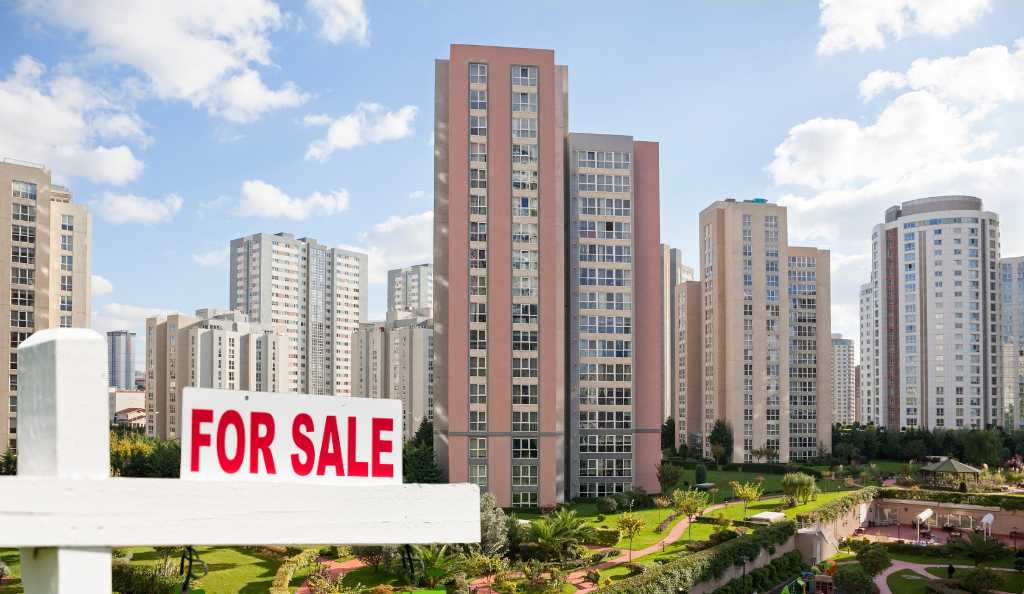
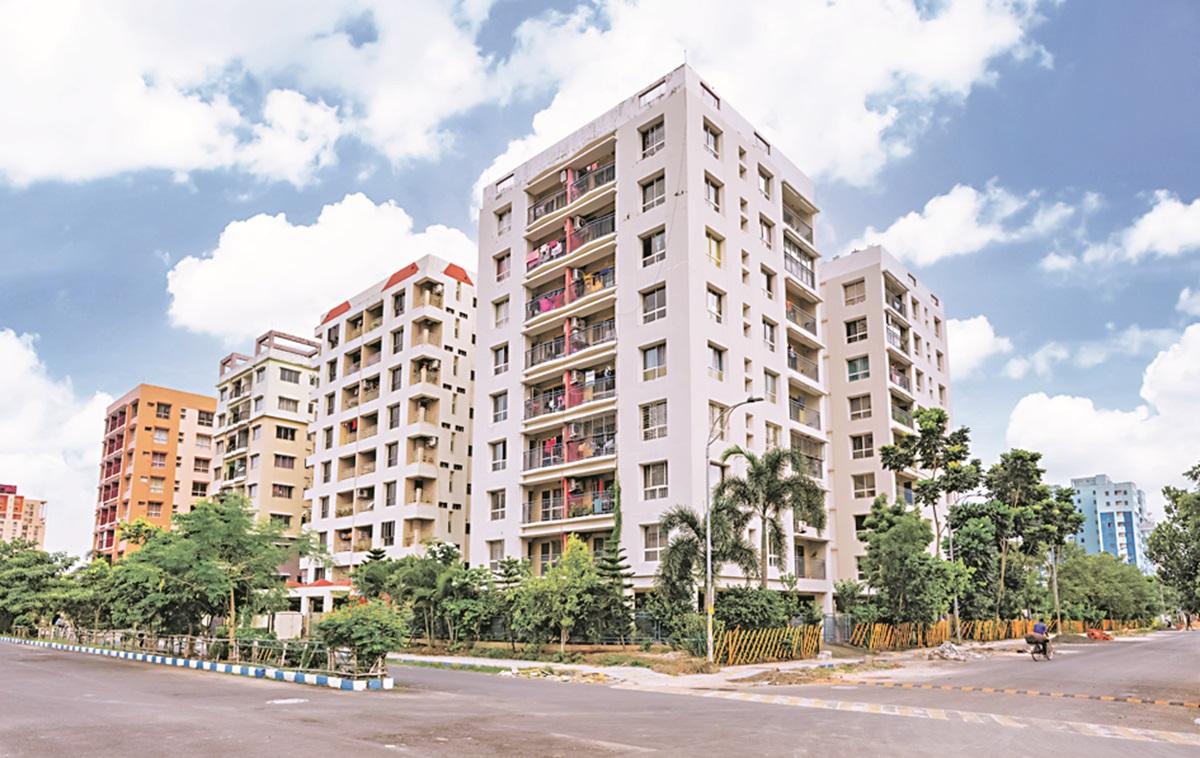
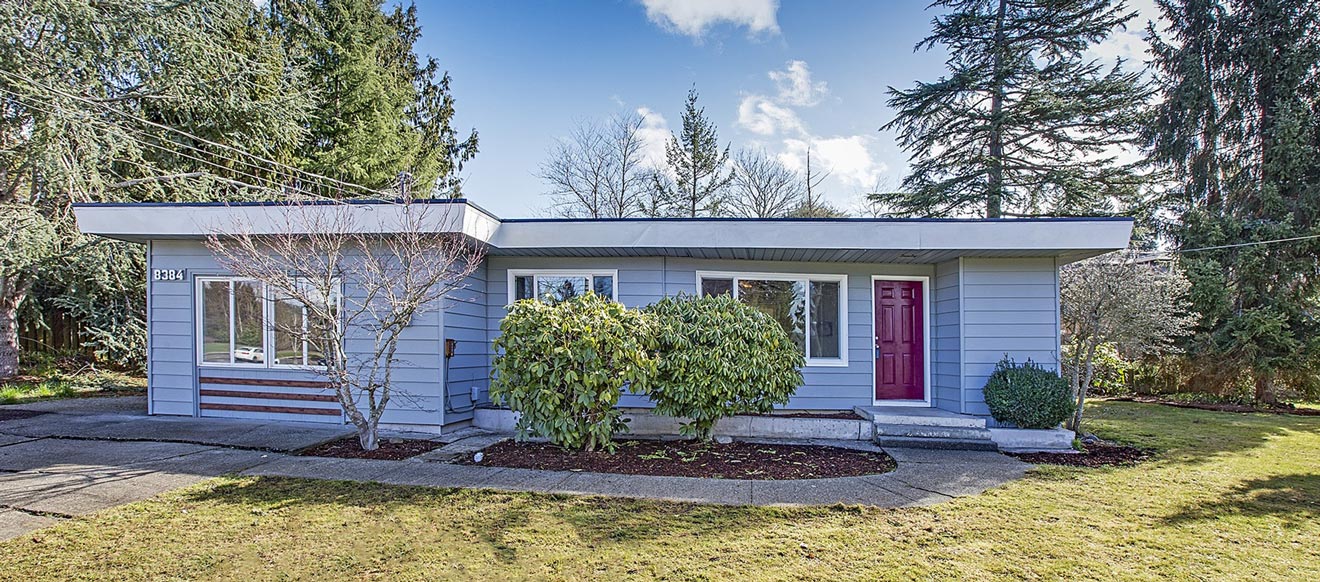
The first picture must be of the outside of the building or house. Get the primary gate, front, or garden, where there is one. An image of the entrance is in clear and it is close-up, wide angle hence it provides context and location appeal. In case it is an apartment, demonstrate the front view and main entrance of the building.

Living Room and Dining Area

Living room is the core of the house – this is where the impressions are created. Ensure that it is light, clean and in order. Take wide shots and utilise natural day light to display space, furniture layout and ventilation. Wherever possible, have a corner or ornament, which is cozy.

Bedrooms

Comfort and roominess. Take photograph on two sides in order to emphasize the depth and structure. Make the room appear clean, beds made up and curtains open so that it can invite the customers. Emphasize in-built wardrobes, suite bathrooms or balconies.

Kitchen and Bathrooms

Final decisions are usually affected by these two spaces. Present a clean functional kitchen that is well lit with modular fittings. In case of bathrooms, emphasize on modernization fixtures, hygiene, and tiling. To create a balanced composition always shoot at the doorway.

Balcony, Terrace, and Views

In case your property has a picturesque view as such, sunrise or city skyline or green landscape, then add that. A photo on the balcony in natural light would immediately create emotion and bring lifestyle value to your listing.

Common Areas and Amenities

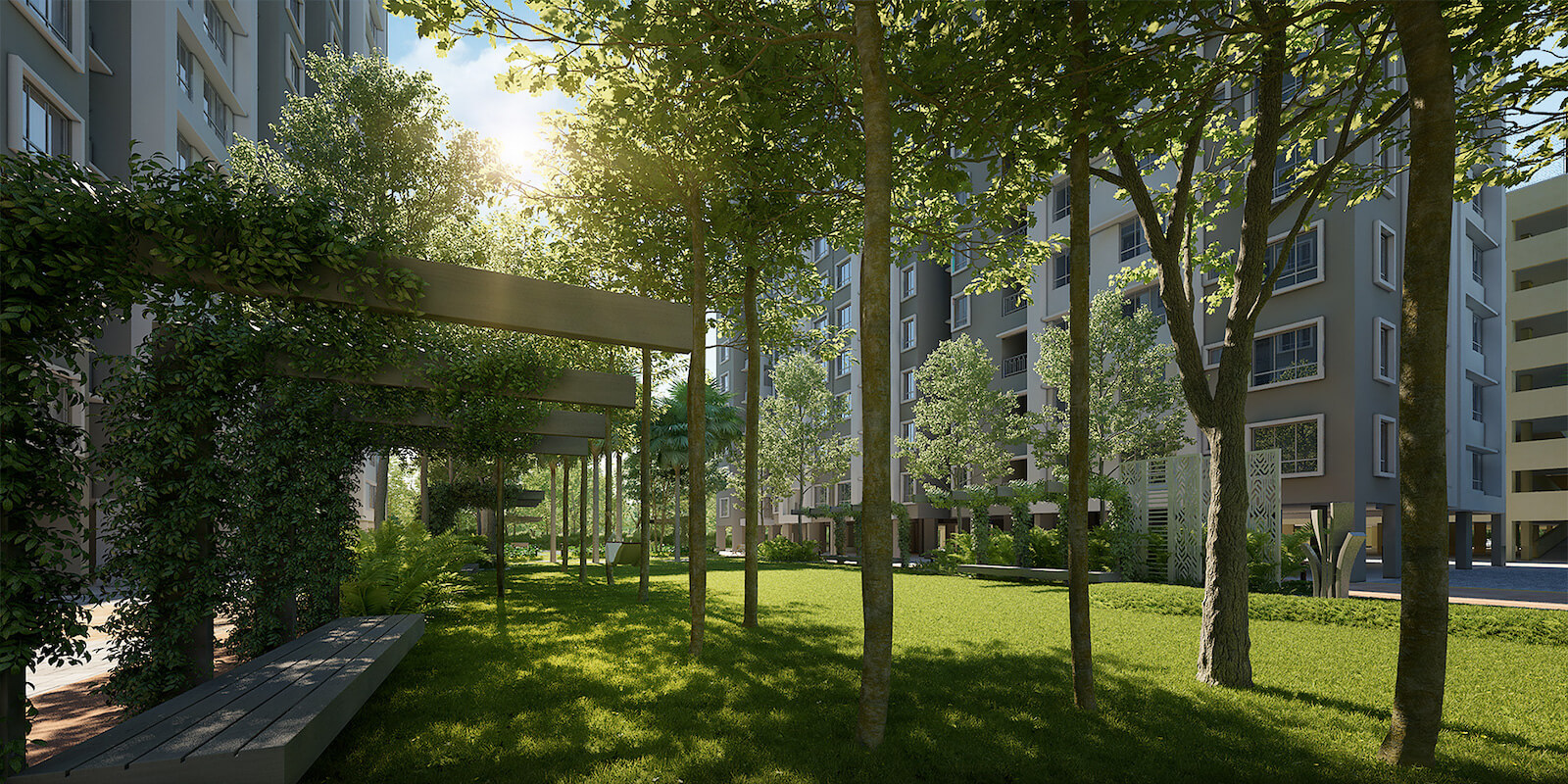
In case your building has such common facilities as gym, swimming pool, garden and children playground, include them. Customers would desire to experience what there is in the house besides the four walls. Even the photos showing corridors or lifts can make things more transparent.

Parking and Neighbourhood Shots

Do not leave out pictures of parking space, driveways or surrounding streets. These assist the purchasers in imagining access and safety. Your listing can also be made more relatable by listing one of the nearby parks, metro entrance, or supermarket.

Technical Photography Tips

Use a smartphone, which has a minimum camera of 12MP or get a professional.

Never Use Flash in An Unnatural Way

Hold verticals straight as a rule to achieve balance.

Before uploading photos, rename them with related keywords such as the 2BHK-Livingroom-Kolkata.jpg.

Organize Photos in the Best way

The first three photos are shown as thumbnails in most portals – make a good selection. Start with the outside, living room, and master bedroom. Posting: at least 10-12 pictures is mandatory and the pictures should be of high quality (less than 10MB).

Conclusion

Vast quality and genuine photos make your free property listing an awesome one.

Maximize Your Property Visibility with Free Listings: Tips and Tricks

Free property listing websites such as MagicBricks, 99acres, Housing.com, and NoBroker have become the new real estate market as over 70 percent of property shoppers in India initiated their search with them. It is so easy to post a free listing but it is not easy to stand out of thousands of other similar properties. The only problem that remains is to make your property seem to be at the top of the search and get good leads. This is where you can do a free listing of your property to attract the best visibility.

Develop an attention-grabbing headline using keywords

Buyers are looking at the first thing they see, your title. It has a powerful title with keywords that increases ranking and click rates. Rather than the generic variant of a Flat sale, write something that is specific such as 2BHK Apartment for Sale in Sector 5, Salt Lake – Near Technopolis with Parking. Add property type, location, and one good thing that can immediately attract attention.

Post Quality, Well-Lighted Photos

Your largest selling point is photos. Shoot all the important spaces – exterior, living rooms, bedrooms, kitchen rooms, bathrooms, and balconies. Use natural light, i.e. take photos during the day and landscape orientation. This is enhanced by a couple of close-up shots of amenities (modular kitchen, parking, terrace). Listings that have quality pictures can get 3-5 times more views.

Compose an Informative Keyword Description

Write about your property in detail but in simple form. State the area, quantity of rooms, direction it is facing, the floor and landmarks around it. Search with the words that are relevant such as ready-to-move, Vastu compliant, gated community, or near metro. A properly done description will make your listing show up in filtered searches and it will gain you buyer trust.

Contact Your Listing Periodically

The majority of real estate portals promote fresh or updated listings to the top. Make minor changes in between the days- change the price, add a new picture, or change the title. This makes your listing stay active and will not be lost in the newer posts.

Get In Quick with Investigations

Portals follow up on the movement of the user- user activity is indicated by prompt replies. Receiving calls or receiving messages fast helps to enhance your credibility and can even increase your visibility score in the company.

Share on Multiple Platforms

Use more than one portal. Post your MagicBricks or 99acres on Facebook Market, WhatsApp groups, and LinkedIn. You may also use neighborhood or community applications to ensure that you capture the local attention.

Add Verification or Ownership Sight (where applicable)

There are portals that provide verified badge or owner-verification. Buyers have more trust in verified listing and those posts are preferred during search.

Conclusion

Achieving visibility with the help of free listings is not that of chance but a matter of clever optimization. An attractive headline, good graphic, informational content and interactive will help your property to shine without incurring a single dollar. When you consider your free listing as a marketing campaign, you can get serious and high quality leads, all at no cost.

How to Write an Attractive Property Description That Gets More Leads

It is not the few lines of text which describe your property but the online sales pitch. A well-worded enticing description of a property will help a window shopper become a serious customer. There are all those instructions on what to write about to get more views and actual leads.

Get off on the Right Foot with Key Information

The initial lines should be so attractive that they grab one attention. Start with property type, location and price. As an example: Elegant 3BHK Apartment New Town, Kolkata. 85 Lakhs, Fully Furnished and Ready-to-Move. This format is informative and professional and creates trust. A brief introduction is also useful to create a better ranking of your listing by the search engines.

Explain the Space Concisely and frankly

Customers desire transparency, rather than speculation. Include the area, layout (2BHK, 3BHK, etc.), bathrooms, facing, floor. Avoid the use of jargon. As an example: “This apartment on the 5 th floor with the east facing provides 1,200 sq. ft. of well-ventilated space. Being clear brings a sense of comfort and prevents many questions and answers in the future.

Emphasize Unique Selling Points (USPs)

Each property possesses something special about it – bring it out. This might be a big balcony, a modular kitchen, 24-hour security or district of schools and metro stations. These facts tend to make the purchasers imagine ease and living style. As an example: “It is only 500 meters to the closest metro station and supermarkets and cafes.

Emotional and Descriptive Language

It is not only properties that people purchase, but lifestyles. Put passion into your speech. Stating flat with balcony is not as effective, instead of that use; Have your morning tea in a sunlit city view balcony. Descriptive writing provides a sense of connectedness and gives the buyers a vision of their future home.

Add SEO-Friendly Keywords

Naturally use popular real estate keywords in your text. Such terms as affordable apartment, Vastu-compliant home, modern amenities, ready-to-move flat, or property near IT park will help you to make your listing more visible in portals and Google search. Do not cram the keywords, apply them in sentences.

Structure for Easy Reading

The formatting is important in readability. Make your listing easy to browse by using short paragraphs, bullet points and subheadings. Example:

  • Area: 1,200 sq. ft.
  • Bedrooms: 3
  • Bathrooms: 2
  • Location: New Town, close to Eco Park.
  • Parking: 1 Covered

Stay Honest and Transparent

No exaggerations and fake claims. In case your house is in small need of repairs or repainting, make some notes. Customers value sincerity and it enables you to develop trust. Real listings have higher chances of being translated into visitation to the site.

Finish with a Good Call to Action (CTA)

Always finish strong. Include a call-to-action such as call the owner and make an appointment to visit the site this weekend, or book a tour of your site. Direct invitation assists buyers to take action at once.

Free vs. Paid Listing of Property: What Will Be Worth? 2025

The online real estate market in India is very vibrant in 2025 because customers and tenants are becoming more dependent on online platforms. There are new websites such as MagicBricks, 99acres, Housing.com, and NoBroker that have taken over property discovery. One of the main questions that sellers usually have is deciding whether to go with a free listing, or buy a premium placement. We are going to look on either side in order to assist you in making the correct choice.

Free Listings – Perfect with Individual Sellers

The free listings are suitable to homeowners or landlords who wish to sell or rent a single or two houses. They enable posting of photos, description and direct questions without spending a rupee.

Advantages:

  • Zero cost: Ideal to the cost-conscious user.
  • Adequate local visibility: In less competitive regions in particular.
  • Painless updates: Change information any time.
  • Face-to-face interaction: The buyers are able to get in touch with owners immediately.

Limitations:

  • Poor coverage in big cities.
  • The May seem to be ranked below the paid ones.
  • Usually expires after 30-45 days.

Paid Listings – Ideal to Agents and Developers

Paid/Premium listings have extra features such as highlighted listing, verified tags and priority placement. The plans are targeted at agents, brokers and builders who deal with multiple properties or those that wish to access the conversion instantly.

Advantages:

  • Top position: Your property is placed at the top of the searches.
  • Verified badges: Instantly build buyer trust.
  • Access to analytics: Views and queries.
  • Greater involvement: Increases sincerity with serious purchasers.

Limitations:

  • It costs between 500 and 10,000 per listing.
  • Single properties with low budgets may not be worth it.

Which Option Works Best in 2025?

When selling or renting a single home, the optimized free listing will do miracles when the area of your location is actively popular. Paid listing is faster and more qualified to professionals or in projects involving large undertakings.

The best way to do it is to begin with free, review the outcomes within 2-3 weeks, and upgrade whenever necessary. The hybrid mode will cost less, and the outcomes will be maximized.

Conclusion

Free listings are the best to test the market whereas paid one is best to extend the visibility. The most appropriate strategy in 2025 is strategic in nature – start with a detailed free post, optimize it and SEO and then upgrade it to premium only when competition necessitates such. When well thought of, free and paid listing can be a boon.

You can simply get the best listing sites which will offer you the place and traffic that you need for your property. You can also choose small sites like https://arthavidhirealty.com/. We are offering some of the simply and perfect ideas of listing your property to get the best of it. All you need here is the perfect placement which will give you the coverage that is required to make your listing properly shown. So check us too.

Movable and Immovable Property: An Overview

The meaning of property in the law world is everything that can be owned, possessed, or have rights to by an individual. It is widely divided into movable and immovable property with their own peculiarities, legal implications, and purposes.

Movable Property

Personal property, also known as movable property is property that can be physically transported somewhere other than its original location. It is not fixed permanently to the land or any building. Typical ones are vehicles, furniture, electronics, machine, livestock and stocks or shares.

The major feature of movable property is mobility. It is transportable and therefore can be sold, leased or transferred easily as opposed to immovable property. There are generally regulations in the laws that regulate movable property and contracts, sales, and possession. An example is that the transfer of goods that move is normally delivered and accepted by both parties. Legally, movable property may be either a tangible one such as a laptop or an intangible one such as intellectual property or financial assets.

Immovable Property

The opposite of movable property is the immovable or real property. It is the property which is permanently attached to a place and cannot be transported. These would be land, buildings, houses, apartments and structures that are attached to the land like wells or fences.

Permanence is the distinct feature of immovable property. It has a more complicated legal system compared with movable property given that it can be subject to registration, long ownership rights, inheritance and taxation. Immovable property laws: these cover the transfer of ownership, mortgages, lease, and other disputes. Normally, any transactions that are undertaken on immovable property must be recorded in writing, with the government bodies, as well as the adherence to the local land or property laws.

Key Differences Between Movable and Immovable Property

  1. Mobility: It is movable property and immovable property.
  2. Legal Formalities: Immovable property must be registered; movable property need not.
  3. Examples: Movable properties are vehicles, jewelry, and machinery; the immovable properties are land, buildings, homes.
  4. Transfer of Ownership: Delivery and agreement may be used to transfer movable property whereas a legal deed and registration are typically necessary to transfer immovable property.

Conclusion

Knowledge on the difference between movable and immovable property is important in terms of law, finances and individual lives. It influences the purchasing and selling, taxation, inheritance and settlement of disputes. Although movable property is very flexible and can be easily moved, immovable is permanent, secure and has long-term value as an investment. These two types are key elements of individual wealth and financial process and their distinction would mean wise choice in property management and dealings.

Apartment Paint Ideas to Transform Small Spaces into Stylish Homes

With a proper color scheme, small apartments may become homey and welcoming. Paint is considered to be one of the most useful and economical methods to convert small areas, and make them seem bigger, brighter, and more fashionable. The right shades can transform the mood of your home whether you are renovating your living room or bedroom, or your kitchen. The following are some of the innovative ideas on apartment painting to ensure that you do not waste a single square foot.

  1. Choose Light and Airy Colors

Soft white, cream, beige, and pale gray are light colors, which are always old favorites in small areas. They are refractive to natural light that makes the rooms look open and larger. The white walls provide a clean, minimalist background that goes well with virtually any type of furniture, but off-whites or light grays provide a low degree of coziness. To avoid the space being too monotonous, it is possible to include textures in the form of rugs, curtains, or accent pillows.

  1. Use Accent Walls for Depth

A wall that has been used as an accent is a very good option that does not overload the place. Select a wall–it can be behind the bed, sofa, etc.–and paint it in a bright color, such as navy blue, emerald green, or terracotta. This trick can enhance your image-wise and can also make your apartment more lively. Patterned paints (geometric designs or color blocking) can be used also to give it a modern touch.

  1. Try Two-Tone Walls

Walls in two tones can be used to enlarge a small room. By having the bottom half of a wall painted to be darker and the top half to be lighter, the eye is drawn upwards making one feel that there is height. This concept is fantastic in the dining rooms and corridors. Balance This creates a balance by pairing colors such as soft gray and white, or sage green with cream.

  1. Incorporate Pastels for a Soothing Feel

Pastel pink, green, and blue are also good in bringing a soothing and light atmosphere. Small apartments are also made to look attractive and refreshing by these colors without being overwhelming. They match it perfectly well with light wood furniture and metallic accents and make your house look modern and welcoming.

  1. Add Drama with Dark Accents

Although light colors are excellent in expanding space, dark colors may be employed to bring sophistication when applied with a strategic approach. A dark charcoal, olive, or navy color can be used to produce a fashionable contrast when used on window frames, trims, or doors. The combination of light and dark colors brings the balance and provides your apartment with a designer appearance.

Conclusion
The process of making a little apartment look bigger does not involve any serious renovations, it is only about careful selection of colors. With the use of light neutrals, accent walls, light shades, and careful choice of dark colors, you may build the home that will not seem crowded or cluttered, but will be stylish and very personal.

Carpet Area, Built-Up Area, and Super Built-Up Area: Key Differences

The language of real estates is an important factor to comprehend when purchasing or investing in a property. Carpet area, built-up area, and super built-up area are some of the most essential concepts. All these terms define the real space that you can use and the price that you are going to pay.

Carpet Area

The carpet area is the real useful space in the walls of a house or an apartment inside of which you can lay a carpet. It does not include the thickness of the inner walls but it does include the spaces such as bedrooms, living room, kitchen, and bathrooms. Carpet area is basically the area where one can live and carry out daily activities.

To the buyers, the most adequate measure is carpet area as that is the actual space that you can utilize. In most countries, such as India, the Real Estate Regulatory Authority (RERA) requires real estate prices to be based on the carpet area, but not on built-up or super built-up area, to provide transparency.

Built-Up Area

Carpet area is a little smaller than built-up area. It comprises the carpet area and the thickness of the internal and external walls, the balconies and other covered spaces. Developers usually use this area when selling the size of a totality of the apartment or house.

Whereas the built-up area provides a clue on the total amount of space that is constructed, it is not as precise in measuring the usable space as the carpet area. The buyers are to observe that the payment of built-up area can involve areas that you cannot use completely, like in the case of the thickness of walls.

Super Built-Up Area

The largest measurement is called super built-up area (saleable area) which entails the built-up area and common areas in the building in proportion. The common areas can be staircases, elevators, lobbies, corridors, clubhouses, and gyms.

Super built-up area is usually calculated by developers to determine the final price of the property and thus a buyer can end up paying a lot of money to buy a space that does not belong to the apartment such as a hallway or communal facility.

Key Differences

  1. Carpet Area: Space that can be used in the house without the walls.
  2. Built-Up Area: Walls + carpets area + balconies + other covered areas.
  3. Super Built-Up Area: The proportionate share of common areas and built-up area.
  4. Cost Implication: Carpet area prices are clear, super built-up prices can have non-utilized space.

Conclusion

Knowledge of such differences aids in making sound decisions by buyers and saving money that can be used in other areas that are usable. Carpet area represents the true living area, built-up area represents the total construction and super built-up area represents the shared amenities. When these measurements are made transparent, it makes property investment to be transparent and valuable.

5 Real Estate Mistakes Investors Should Avoid

Possibly, one of the surest methods of generating wealth in the long run is real estate, which provides an income and appreciation. Nevertheless, even seasoned investors may commit expensive errors that will hurt their objectives. Knowing what to shun can make you make wiser and more lucrative decisions in investment. These are five key real estate pitfalls that a real estate investor ought to avoid.

  1. Failing to Research the Market

Most investors jump into purchasing a house without knowing the market forces. It is important to conduct research on location, property trends, neighbourhooddevelopment, and local demand before making any investment decision. The value of property and the returns in the form of rent is directly influenced by such factors as employment growth, development of infrastructure, and location in terms of schools or commercial centres. Investors who fail to carry this research usually find themselves having properties which are not performing or they have no occupants taking long before they are occupied. Never commit to anything without first analysing the present and future prospects of growth.

  1. Overleveraging with Too Much Debt

It is a great idea to borrow to add to your portfolio but it is easy to fall into the overleveraging trap. Borrowing excessive debt can expose you to more financial risk particularly when the interest rates are high or market conditions fluctuate. Most investors believe that prices of property will continue to appreciate but property cycles go down and up. A low turnaround can easily convert a leveraged asset into a liability. Intelligent investors will ensure that their loan to value ratio is low, and have sufficient day-to-day cash in reserve to cover mortgage payments in the event that rental income goes down in the short term.

  1. Ignoring Cash Flow Management

A property may be attractive because of its increase in value but neglecting cash flow in the short run can result in financial strain. All the investments must be examined in terms of their capacity to provide steady rental proceeds once they have overcome the costs of mortgages, taxes, insurance, and repairs. Positive cash flow is a guarantee that your investment will support you and a buffer during the market fluctuations. Investors that do not pay attention to this usually have difficulties in getting liquid or they are forced to sell at an early stage.

  1. Neglecting Property Maintenance

An abandoned building will soon be worth less and it will keep off tenants. Constant maintenance does not only maintain the condition of the asset; it also increases the rental capacity of an asset. Small problems should be handled as soon as they occur, e.g., plumbing leaks, paint damage, electrical faults, etc., so that later bigger and more expensive ones are avoided. Properly-kept properties have stable tenants and guarantee long-termed profitability.

  1. Making Emotional Decisions

The issue of real estate must be treated as a business and not as a purchase of emotion. Being attracted to the layout or place of a property can make one blind and pay extra or neglect the secrets behind it. The decisions of successful investors are informed by statistics, ROI, and market research, and are not motivated by the attachments.

Tried & Tested Vastu Tips for Laxmi, Wealth, and Prosperity – For Your Home Sweet Home

Goddess Laxmi is regarded as the bringer of wealth, fortune, and abundance in the tradition of Indians. Though the main principle of acquiring prosperity is devotion and labor it is important to remember that the Vastu Shastra -the ancient Indian science of architecture and energy balance- is also critical to ensuring that the environment you live in suits into the positive energy. Vastu-based home or workplace design can assist in inviting Laxmi into your life and continue the stream of good fortune. The following are a few special Vastu tips that attract financial growth and prosperity.

  1. The Entrance: Gateway for Energy

The mouth of the house is your principle entrance of energy. Make it bright, clean and inward opening. Positive vibrations are attracted by a beautiful and clean entrance. Have an image of a Swastik, Om, or Shree on the door which is thought to welcome Goddess Laxmi. Welcoming atmosphere is also boosted by a nameplate and fresh flowers that are placed near the entrance.

  1. Placement of Wealth Locker

It is important as to which way your money locker or safe should face. The locker should be located in the south-west corner facing the north according to Vastu to provide stability and constant increase in finances. The direction of north is linked to Lord Kuber, the treasurer of prosperity hence favourable to money inflow. Do not put the locker under a beam or close to a bathroom.’

  1. The North-East Zone: Corner of Abundance

The north-east direction is the most holy in any property, called Ishan Kona. This space must never be closed, dirty, and obscure. It is believed that it is very useful to put a small fountain of water, a crystal globe or tulsi plant here. Running water is the unbroken stream of the wealth and opportunities.

  1. Kitchen and Finances Connection

Your kitchen is a symbol of food and wealth. The cooking stove should be placed in the south- east position and be sure that you cook facing east. Leaking taps in the kitchen or any other section of the house should be avoided since they represent monetary leakages. Such a subtle method is the storage of grains, pulses, and spices in a neat and in abundance way.

  1. Bedroom and Financial Stability

For homeowners, the master bedroom should ideally be in the south-west direction. This direction provides stability, ensuring that financial decisions are taken wisely. Avoid mirrors directly facing the bed, as they can drain energy. Keeping rose quartz or citrine crystals in the bedroom enhances harmony and wealth energy.

  1. Colors and Symbols of Prosperity

Colors play a psychological and energetic role in Vastu. Shades of green, yellow, and red are linked to growth, wealth, and vitality. Incorporating these colors in décor, cushions, or curtains can boost positive vibrations. Placing a Shree Yantra in the pooja room or living area is another powerful way to attract Goddess Laxmi’s blessings.

Health-Focused Interior Design That Serves Well-Being

The environments where we live have a profound effect on our mood, thoughts and operations. An appropriate interior is not only about the style or aesthetic values, but it can be a significant source of health and well-being in general. Health-based interior design is a new trend that integrates functionality, comfort, and conscious decisions into a cozy home and work environment, therefore having a beneficial impact on the body and mind.

  1. Natural Light for Mental Clarity

Among the most important design elements of wellness is sunlight. Natural light exposure controls the circadian rhythms, elevates mood, and increases productivity. There are plenty of windows, skylights and sheer curtains that enable the sunlight to pass through. Natural lighting can also be put to its best use with the use of mirrors where key areas can be hit and natural lighting will be used to its optimum. Less artificial lighting will be used as well because natural light will be reflected into parts of the room that are typically dark.

  1. Indoor Air Quality

Good health is in need of good air. Plants such as peace lily, snake plants and areca palm should also be considered since they do not only provide greenery but they also clean the air. The use of low-VOC (volatile organic compound) paints, natural materials and adequate ventilation systems can guarantee the healthy breathing. Air purifier is also an intelligent product that can be added to urban houses that handle pollution.

  1. Ergonomic Furniture for Comfort

Furniture plays a big role in posture and physical health. Ergonomically designed chairs, adjustable desks, and supportive mattresses help reduce back pain and fatigue. Whether working from home or simply lounging, comfortable furniture minimizes strain and promotes relaxation. Aligning furniture placement with easy movement pathways also enhances mental calm.

  1. Healing Colors and Textures

There is a psychological effect of colors. The coolness brought about by soft blues and greens influences relaxation and a grounding effect is brought about by earthly tones. Warm neutrals are balancing and comfortable. In addition to colors, such textures as natural wood, cotton, linen, and stone make a space a restorative environment, as well.

  1. Noise Reduction for Mental Peace

The noise pollution is not given much attention but has direct impacts on the stress levels. Disturbances can be reduced by the use of sound-absorbing material such as rugs, curtains, and upholstered furniture. It can be acoustic panels or even indoor water features that provide relaxing background noises to create peace and concentration.

  1. Mindful Layout and Decluttered Spaces

Clutter increases anxiety and drains energy. Health-focused interiors emphasize minimalism and functionality. Clear pathways, organized storage solutions, and well-planned layouts reduce stress and improve focus. Spaces dedicated to yoga, meditation, or quiet reflection help restore balance in daily life.

  1. Integrating Nature Indoors

Biophilic design – bringing nature indoors – supports emotional well-being. From vertical gardens to natural wood finishes, water fountains, or even nature-inspired art, these elements establish a calming connection to the outdoors. This connection lowers stress, boosts creativity, and creates a nurturing environment.

8 Best Monsoon Home Decor Ideas to Light Up Your Space

Monsoon season is characterized by cool rains, green plants and warm evenings. It however is also an overcast with misty interiors that are heavy at times. You can make your home a happy, colorful, and comfortable place to be with the appropriate home decor concepts. These are 8 innovative ideas on monsoon decorations that are used to lighten up your house and keep the rainy blues at bay.

  1. Play with Bright Colors

The monsoon is the best season to switch dark colors to bright and colorful ones. Consider mustard yellow, bright orange, peacock blue and emerald green. Bring in color of cushion cover, rugs or wall paintings, and immediately make your own interiors bright.

  1. Bring in Fresh Flowers and Indoor Plants

Nothing like greenery and flowers are fresher. Not only do indoor plants such as money plant, bamboo, or ferns purify the air, they also bring life into your place. Vases with fresh flowers can brighten your corners, dining tables or entryways and make your home natural.

  1. Use Sheer Curtains

The dark, heavy curtains prevent natural light and they result in rooms being dark and gloomy during the monsoons. Instead, use sheer and pastel-colored curtains that do not restrict penetration of natural light and yet provide privacy. Light outfits also make a light, happy atmosphere.

  1. Add Cozy Lighting

Soft lights can immediately create the atmosphere in the house when the skies outside are foggy. Use floor lamps, fairy lights, or pendant lamps and warm yellow bulbs. Other candles or lanterns could create a homey warm appeal, ideal on rainy evenings.

  1. Waterproof Mats and Rugs

The monsoon can bring muddy footwear and indoors dampness. Use non-slippery mats, which are washable with color and keep the floors clean near the entrances. Heavy carpets can be substituted with light-weight, fast drying carpet which is convenient and fashionable during this season.

  1. Incorporate Monsoon-Inspired Art

Painting the walls with paintings of the monsoon theme or murals or photos make it seasonal. You even could have fun with DIY art, such as abstract paintings inspired by rain or framed nature photos to make your house look more personal and artistic.

  1. Experiment with Fragrance

The moisture caused during the monsoons may occasionally result in the musty smell in the house. Keep the house smelling fresh with scented candles, essential oil diffusers or incense sticks. Fragrances such as lavender, lemongrass or sandalwood produce a calming and pleasant mood.

  1. Create a Cozy Reading Nook

Evening monsoons are ideal when one sits down to a book and a cup of hot tea. Plan a small nook with a comfortable chair, warm throw blankets and cushions. Making it a nice rainy-day retreat, you can add a side lamp and a stack of books you like to read.

Conclusion

Monsoon is not only about rain, but about revitalization, warmth and freshness. With splashes of color, the introduction of natural details, gentle lighting and cozy corners, you can make your home bright and wonderful even on the most rainy days. These monsoon home decor concepts will make you welcome the season in a warm, positive, and stylish manner.