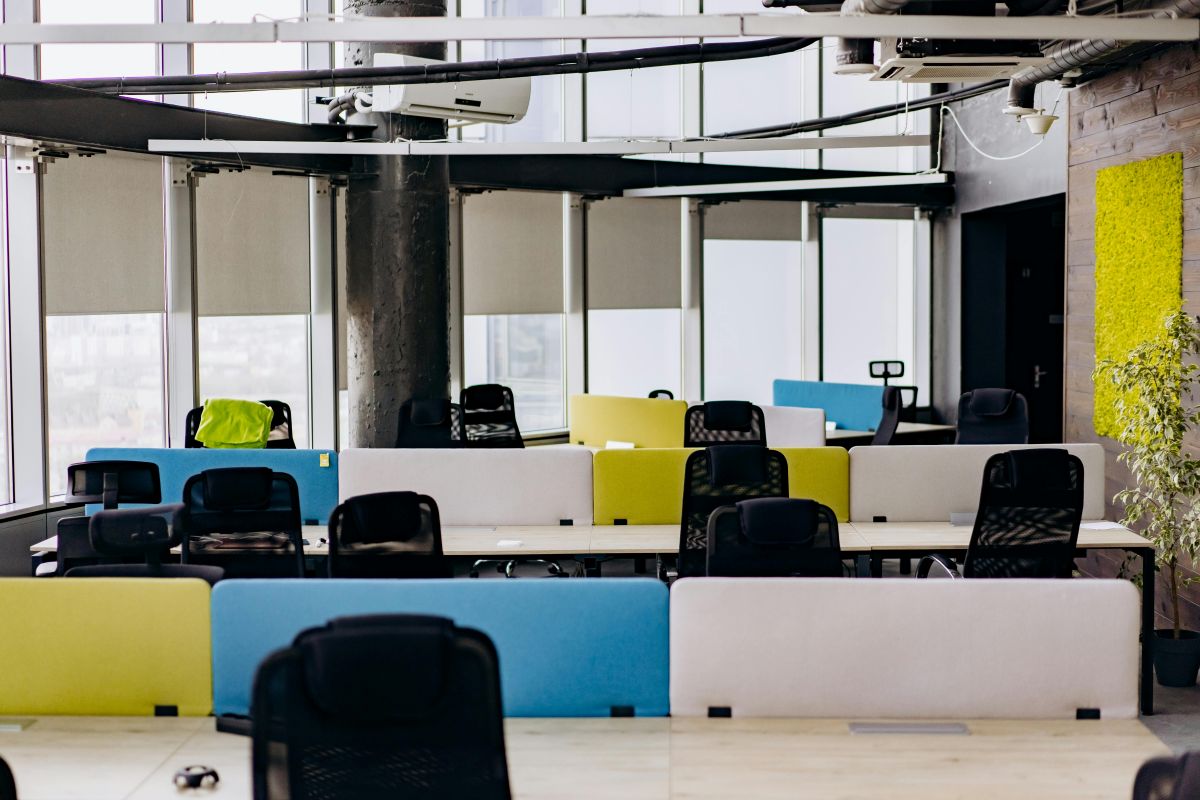
The demand of office space in the year 2026 is experiencing a remarkable transformation owing to the growth of economy, digitalization, changing work cultures and the speedy business development in India. Although remote and hybrid models of work still affect the corporate strategies, companies are moving toward investing in contemporary office space to improve teamwork, productivity, and brand reputation.
Diversification of the core business areas
One of the main stimulating factors of office space demand is the growth of IT, BFSI, fintech, consulting, e-commerce, and startup ecosystems. The global technology and outsourcing center has developed India as a destination of multinational corporations resulting in massive office renting and the development of campuses. There is also an increase in operations of domestic companies which increases the demand in commercial spaces.
Rise of Hybrid Work Models
The hybrid work paradigms are not diminishing the need of offices but redefining the need. Firms are re-modeling workplaces by including communal areas, adaptable floor plans, intelligent grouping spaces, and employee-oriented facilities. Organizations are moving toward premium and strategically located space instead of smaller offices and promoting innovation and teamwork. This trend is driving up the demand of Grade A office buildings and co-working areas.
Expansion Co-working and Managed offices
The trend in co-working spaces and managed office solutions is becoming common among startups, SMEs, and large businesses. These spaces are being made competitive by flexible leasing, cost effectiveness and scalability. Co-working operators are now proliferating through large cities, and this all adds up to total office space consumption.
Dominance of Metro Cities
Bengaluru, Mumbai, Delhi NCR, Hyderabad, and Pune are all metro cities that will be the top office space demand because they have good infrastructure, talent pools, and corporate ecosystem. These cities are still a favorite place in multinational companies and big enterprises.
Emergence of Tier-2 Cities
There are also new commercial centres such as Tier-2 cities such as Kolkata, Ahmedabad, Kochi, Jaipur, Bhubaneswar, and Indore. Lower rates of renting, better connectivity, and friendly government policies are drawing businesses to these places. This is also bringing about even growth in commercial real estate market and decreasing the reliance on conventional metro markets.
Influence of Infrastructure and Policy
The development of infrastructure is important in fuelling the demand of office space. Metro rails, highways, airports and smart city developments are enhancing access to business districts. The policies by the government on attracting foreign direct investment, digital infrastructure and ease of doing business are boosting corporate growth. All these make the modern office spaces in India a more powerful demand.
The office space demand will be high in 2026, and the emphasis will be on sustainability, green-certified buildings, and technologies of smart offices. Mixed-use commercials where offices are combined with retail and residential facilities are at the forefront of developers. The office real estate market is transforming into a vibrant business ecosystem as opposed to traditional workplaces, which has made it one of the most promising area in the Indian real estate market.

