The infrastructure has remained the strongest driving force that is determining the real estate path of Kolkata in 2026. The high levels of large-scale investment in transport, utility and civic services are not only enhancing the daily commuting and living conditions but are also re-defining the demand patterns and affecting the development of property values in the metropolitan area. In contrast to short run market relations, an infrastructure-driven growth is generating structural and long-term influence on residential and commercial property.
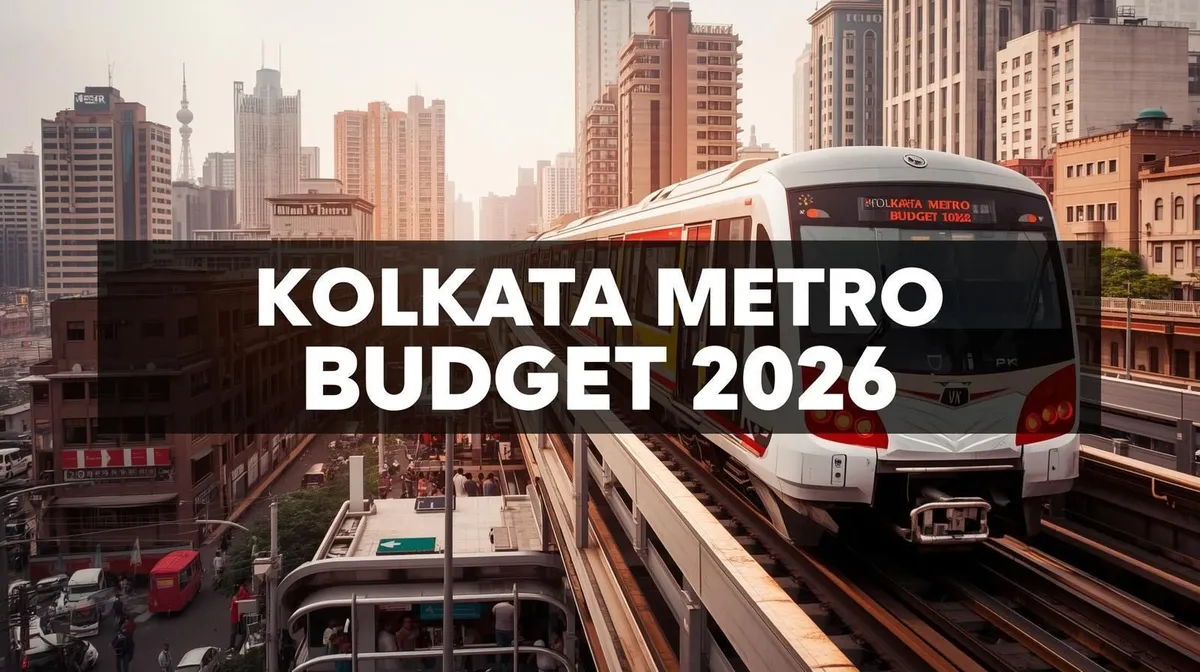
With the continued development of the Kolkata metro, the city is changing the connectivity in North, East, and South Kolkata. Recent extensions and new lines are introducing hitherto marginalized places into the economic core of the city, which is saving much of the travel time to the centres of employment. With the enhanced access to the metro, the residential demand is following suit and is moving to regions that are now providing quicker and more reliable commutes.
Other than the transportation, the water supply, drainage systems and utility services in the city are also making a significant contribution to the livability in Kolkata. The modernized treated water supply and enhanced drainage systems have been used to curb the problems that have been faced in the old neighborhoods and to facilitate the sustainable development in the newer suburbs.
This is also changing the way developers are responding. In 2026, the planning of projects is oriented more towards areas that have secure civic infrastructure, utilities and services that are already developed or promised to be developed.
The urban mobility in Kolkata is also enhanced by road infrastructure upgrades. East west and north south connectivity has been enhanced through road widening works, new flyovers and arterial corridor upgrades. These upgrades are especially significant in the development of suburban housing since they allow commuting to the central business areas and working centers on a daily basis with comparatively lower costs of residential areas.
Better road connectivity has increased the effective residential catchment area of the city, and therefore end-users have found the locations in the periphery of the city viable. This has helped enhance balanced urban growth and pressure on already crowded central regions.
The appreciation in infrastructure is the most apparent because they are the areas that connect the major areas of employment and emerging residential areas. The New Town, the southern suburbs, and some parts of the north are the localities that are enjoying the turn of the tide of connectivity and employment.
Noteworthy, the growth of infrastructure does not just increase prices. It eliminates market volatility as demand is pegged to real usability and future long-term growth potential. Consequently, micro-markets that rely on infrastructure in Kolkata are becoming more resilient, boosting the reputation of the city with regards to the consistent and sustainable development of the real estate environment in 2026.

