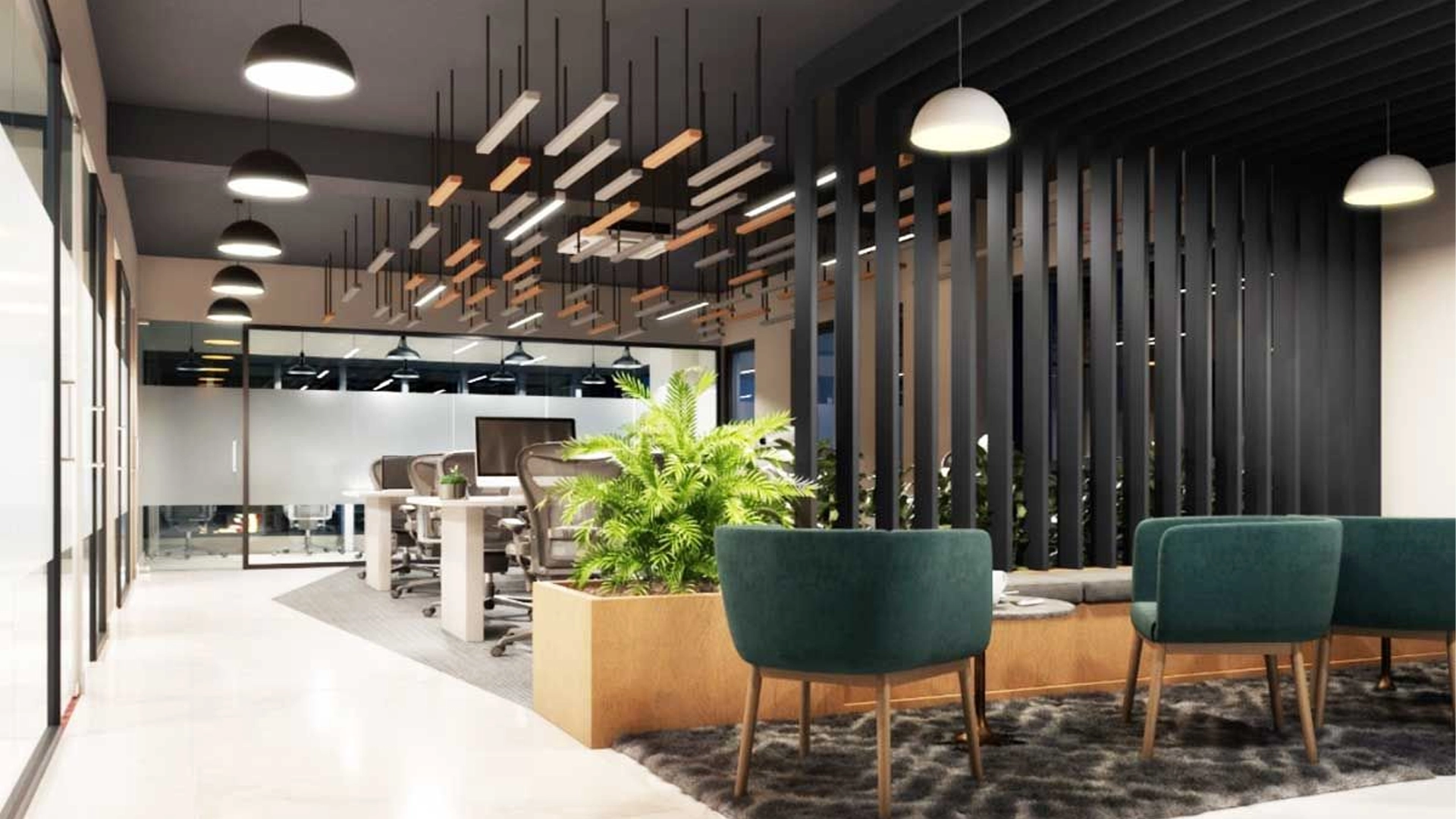
Co-working spaces are turning out as one of the fastest growing segments of the commercial real estate market in the year 2026. What started as a startup concept has grown to be a mainstream office solution embraced by freelancers, SMEs and multinational corporations alike. As companies focus on the ability to be flexible, cost-effective, and employee-oriented in the workplace, co-working spaces are transforming the office infrastructure framework in India.
The co-working market of 2026 is experiencing the most remarkable growth since ever, due to the transformation of corporate policies and alteration of expectations among employees. Business organizations are shifting towards the old-fashioned long-term office rents to short-term workspaces. Scalable office size, short-term contracts and shared facilities are rendering the co-working spaces an option of choice among organizations in every industry.
Startups are the support of the co-working ecosystem, which use these spaces to reduce the costs of operations and get access to co-working communities. Meanwhile, co-working hubs are more likely to serve as satellite office, innovation teams, and regionals of big businesses. This is a twin imperative between the startups and the corporates that is driving growth in the markets.
One of the greatest forces that will stimulate the growth of co-working in 2026 is the emergence of hybrid work culture. Workers are in search of working locations near their houses so that they can have less time commuting to their workplaces, and work-life balance. This has made co-working operators move to suburban and residential areas in addition to targeting central business districts.
Design and Technology Change Co-Working Spaces
In 2026, co-working spaces are designer and technological in nature. The use of smart access, online booking, high-speed internet, and AI tools to manage a workspace has become a new norm. Design innovation is also taking center stage alongside technology with emphasis made on open layouts, wellness-focused interiors, green spaces, and people-centered surroundings.
Not only are these add-ons boosting the productivity but are also making the co-working places luxurious workplaces as opposed to the temporary offices.
The primary demand and good growth prospects are making the co-working sector attractive to investors. The real estate developers are entering into strategic partnerships with the co-working operators in an effort to maximize the use of commercial real estates. Cities like Kolkata, Jaipur, Kochi, Indore, and Bhubaneswar are experiencing high rates of co-working due to the city-level entrepreneurship, digitalization, and adoption of remote working.
By 2026, co-working spaces will not be regarded as the alternative options in terms of office solutions but as the essential part of the commercial real estate ecosystem. As further digital transformation, changing work trends, and the need to have flexible workplaces drive the advancement of the sector, the sector is likely to expand even more. Coworking spaces are transforming the future of the work not only in India but also in the dynamics of the commercial real estate market.

